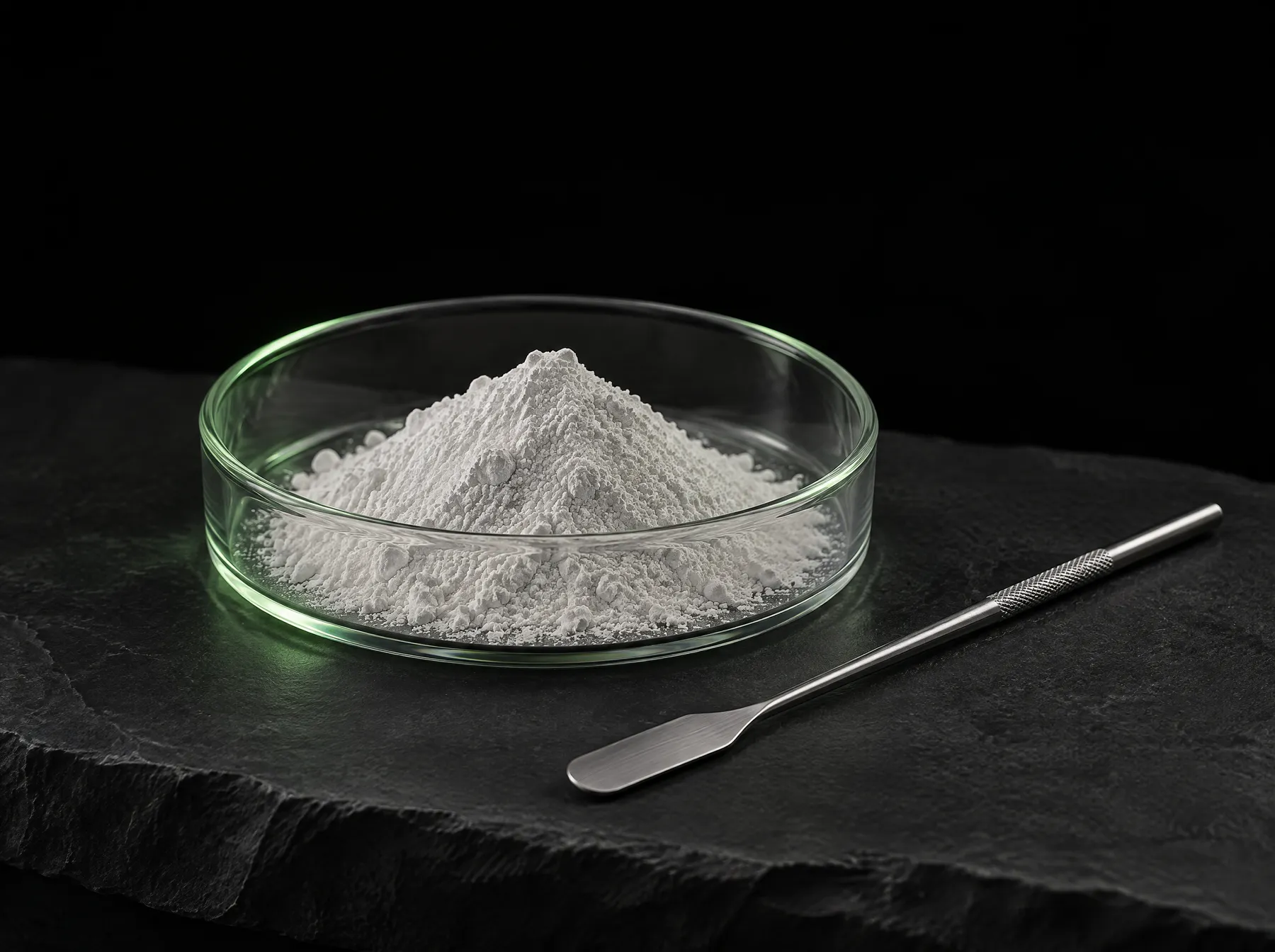
Diş hekimliği tarihinin büyük bölümünde ideal materyal cansız olandı: bir boşluğu doldurur, başka bir şey yapmazdı. Biyoteknoloji bu beklentiyi değiştirdi.
MTA ve daha yeni formülasyonlar gibi kalsiyum silikat esaslı simanlar, sertleşirken kalsiyum ve hidroksil iyonları salar. Pulpa ile temas ettiğinde bu ortam sert doku köprüsü oluşumunu destekler; bu materyallerin vital pulpa tedavisinin merkezinde olmasının nedeni budur.
Ayrıca iyi sızdırmazlık sağlar ve neme toleranslıdır; bu da onları perforasyon onarımında ve kök ucu dolgularında kullanışlı kılar.
Bir sonraki adım, kendi sinyallerini taşıyan materyaller: çevre dokunun yanıtını yönlendirmek için tasarlanmış büyüme faktörleri, peptitler ve biyoaktif camlar. Amaç artık vücudun tolere ettiği bir materyal değil, vücutla birlikte çalışan bir materyal.
For most of dentistry's history the ideal material was inert: it filled a space and did nothing else. Biotechnology has changed that expectation.
Calcium silicate based cements, such as MTA and newer formulations, release calcium and hydroxide ions as they set. In contact with the pulp, this environment encourages the formation of a hard tissue bridge, which is why these materials are central to vital pulp therapy.
They also seal well and tolerate moisture, which makes them useful for repairing perforations and for root-end fillings.
The next steps are materials that carry signals of their own: growth factors, peptides and bioactive glasses designed to guide how the surrounding tissue responds. The goal is no longer a material the body tolerates, but one that works with it.